Year-End Reflection: A Psychology-Informed Reset for the New Year
December 31, 2025

Map
Wanderer's
The
Follow Along
Sign Up
Stay Updated
A purpose-driven, emotionally grounded creator who helps people feel seen and empowered as they navigate life’s most uncertain and transformative moments.

Hi, I'm Amanda!
Sharing wisdom, one story at a time.
If you’re reading this with that familiar end-of-year heaviness in your chest—like you should feel grateful, proud, excited… but instead you feel behind, uncertain, or quietly disappointed—this is for you.
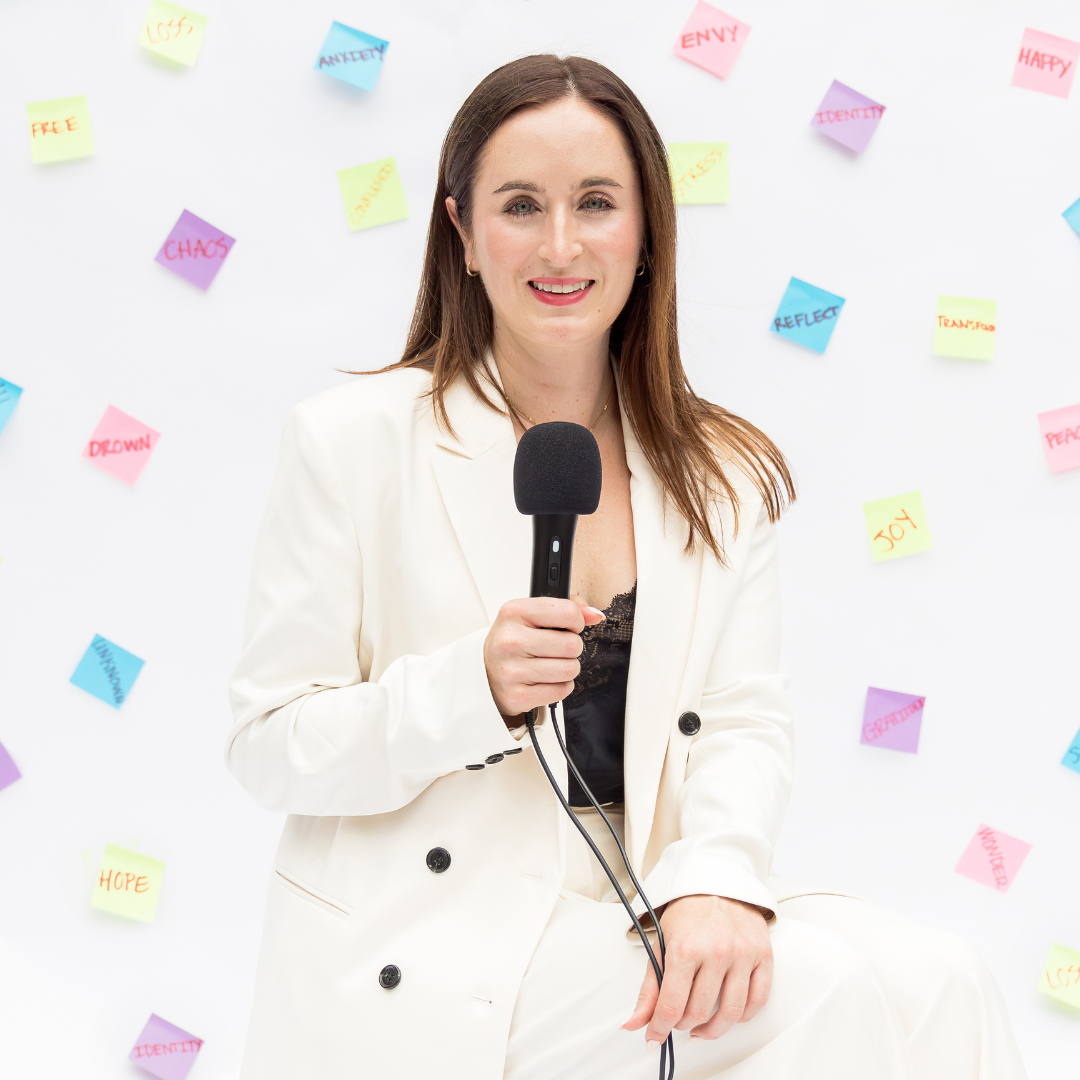
In Episode 113 of The Lost & Found Podcast, I walk through a set of year end reflection questions from fellow content creator and clinical neuropsychologist, Dr. Nawal Mustafa PhD, that are actually useful. These questions don’t shame you into “fixing your life,” but they do help you get honest about what happened, what changed, what you learned, and what you want next.
The New Year doesn’t have to be a performance. I believe it can be a pause. A reset. A moment where you tell yourself the truth—with compassion—and choose your next step with a little more clarity.
This blog post breaks down the most important lessons from Episode 113, including the reflection categories I used, the mindset shifts that moved me forward this year, and the prompts you can use for your own New Year reflection ritual.
The People Who Will Benefit Most:
Before we jump into the prompts, I want to name the three types of listeners I had in mind while recording this—because if you see yourself in any of them, you’ll know exactly why this episode lands.
1) The “I’m Behind” Achiever (Timeline Grief + Quiet Panic)
You did a lot this year. And still… it doesn’t feel like enough. You’re measuring yourself against invisible deadlines and highlight reels. You want to feel proud, but you keep hearing: “You should be further along by now.” These reflection questions will help you trust your timeline instead of racing against it.
2) The Rebuilder (Career Pivot, Money Reset, Identity Shift)
Maybe you simplified your life. Moved. Changed jobs. Paid off debt. Started over. Or chose the harder “long game” path—because your future self needs you to be brave now, not comfortable. If you’re rebuilding your identity and need reflection questions that validate that starting over is still progress, then this episode is for you.
3) The Quiet Creator (Afraid to Be Seen, But Called to Share)
You want to show up more online, speak your truth, create content, or build community… but being visible feels complicated. Maybe you’ve been misunderstood before, you’re used to staying private, or you’re scared of the backlash, judgment, or the wrong people finding you. These questions will challenge you to learn how to live more authentically—especially out loud.
Why I Don’t Believe in New Year’s Resolutions (And What I Do Instead)
This week I openly discussed why ’m not big on the classic New Year’s resolution energy. Not because I don’t care about growth. But because a lot of resolutions are rooted in the belief that who you are right now isn’t good enough—and I don’t want to build my life from that place.
I’d rather ask:
- What actually mattered to me this year?
- Where did I feel most like myself?
- What did I learn about my needs?
- What am I outgrowing?
- What would it look like to work on myself because I love myself?
That’s the foundation of these year end reflection questions: not to pressure you more… but rather, move you into alignment.
The Year-End Reflection Questions I Used (Steal This Framework)
I found these prompts through a psychology-informed lens (inspired by Dr. Nawal Mustafa’s content I’ve been following), and I loved how practical they were. They aren’t vague “manifest your dream life” statements. They’re questions that reveal patterns. Dr. Mustafa organized the reflection into multiple categories, and in the episode I answer them in real time. Here’s the framework:
Reflection Questions for Meaning, Purpose, and Life Direction
This is the category that cuts the deepest (in a good way). It’s where you stop talking about what you did this year—and start naming who you became.
Prompts to journal:
- What moments this year made me feel most like myself?
- What moments made me think, “I’m really proud of how I handled that”?
- What parts of my life felt meaningful, and what parts felt empty or disconnected?
- What values ended up leading me this year, even when I wasn’t thinking about them directly?
- This year, how do I want to live in a way that feels more aligned with who I am becoming?
My biggest takeaway:
The “real me” doesn’t show up when I’m perfect, but rather when I’m present, laughing, or even dancing. When I’m not trying to manage anyone’s perception of me. And that matters because if the most “you” moments are rare, it’s a sign you’ve been performing. These questions should help you locate your real self again.
Reflection Questions for Growth, Learning, and Change
This is where you name the brave stuff. The uncomfortable stuff. The risks you took. I talked about how simplifying my life—changing my environment, making choices that supported my long-term future—was hard… and necessary. Sometimes growth doesn’t look like adding more. Sometimes growth looks like removing what’s unsustainable.
Prompts to journal:
- In what ways did I grow this year, even if at the time it felt messy or uncomfortable?
- Did anything shift in my mindset this year that I am really glad about?
- What did I push myself to try this year that ended up being good for me?
- What challenges forced me to rethink how I approach life?
- This year, how do I want to keep growing or evolving as a person?
My biggest takeaway:
A “smaller” life can be a smarter life and if you’re in a rebuild season, I want you to stop calling it a setback. If your choices are creating breathing room, stability, and future options, then you’re not behind. You’re laying foundations.
Reflection Questions for Habits, Lifestyle, and Self-Care
If you want to make next year different, don’t start with “big goals.” Start with: What supported me when life was stressful?
I shared about my own self-care journey: daily routines, supplements, movement, the frustration of losing access to things you loved (like a gym community), and the reality of building healthy habits in a small-town season. Not glamorous. Just my actual reality in during this transformative season.
Prompts to journal:
- Which habits or routines actually supported my wellbeing this year?
- What daily/weekly practices made me feel good and more like myself?
- Where did I overextend myself, and what signs did my mind or body give me?
- What self-care did I avoid, delay, or minimize even thought I needed it?
- This year, what habits do I want to commit to that truly support my life?
My biggest takeaway:
One of the golden markers of success (or a successful life) is a calm nervous system. Your nervous system doesn’t care about your goals. It cares about your patterns. And the smallest consistent habit is often the one that keeps you from spiraling.
Reflection Questions for Gratitude, Joy, and Meaningful Moments
Gratitude can be complicated, but this episode does not dive into toxic positivity. I’m only interested in clarity. This category helps you name what mattered—so you stop taking it for granted.
Prompts to journal:
- Who added lightness or comfort to my life in ways I didn’t expect?
- What small things (routines, places, conversations) made my days feel better?
- What am I grateful for now that I might have taken for granted earlier in the year?
- What moments in 2025 made me feel the most alive or fulfilled, and what do they tell me about where to focus next?
My biggest takeaway:
The older I get, the more I realize the key people in your life play a major role in finding your purpose or being able to live a fulfilling life. You don’t need a huge circle; you need the ones who tell you the truth, remind you who you are, and love you without requiring you to perform.
Reflection Questions for Challenges, Resilience, and Lessons Learned
This section is where you stop pretending you were “fine.” Because you weren’t always fine and that’s normal. I talked through how I cope when things feel outside of my control, what I’m still learning about self-regulation, and not letting my problems consume me.
Prompts to journal:
- What were the hardest moments of this year, and how did they shape me?
- When things got stressful, how did I cope and what did I learn about myself?
- What patterns or habits made life harder than it needed to be?
- What lessons do I want to take with me so I don’t repeat the same cycles?
- This year, how do I want to approach challenges differently or more intentionally?
My biggest takeaway:
Reflection helps you see your patterns without judgment—so you can choose better tools next time. Pain is difficult, and our reptilian brains will do anything they can to avoid it. But the truth is, you’re allowed to feel it. You need to feel it to heal, but more importantly, you don’t have to live there. Pivoting is your choice.
Reflection Questions for Love, Relationships, and Emotional Honesty
Relationships are where your growth gets tested. During the episode, I explored how I want to communicate better, show up with more intention, and stop avoiding the conversations that matter.
Prompts to journal:
- What did I learn about myself and my needs in love this year, whether I was single, dating, or in a relationship?
- If I was looking for love, what felt hopeful and what felt discouraging?
- If I wasn’t looking for love, what made that the right choice for me this year?
- If I was in a relationship, what helped it grow and what felt hard?
- This year, what do I want in my love life, and how will I show up in a way that supports that?
My biggest takeaway:
You can’t “manifest” a better relationship while refusing to practice better communication. Love requires clarity and clarity requires courage. But more importantly, you cannot get the love life you want without being brutally honest with yourself first. Have you done everything you can to create the space for the right person to enter your life? Or are you filling in the gaps with the wrong people, insecurities, or low self-respect? The “universe” (and your brain) pays attention to whatever you’re focused on. If you’re constantly being negative toward yourself, calling yourself unlovable or unworthy, then it will attract partners who reinforce that statement.
Reflection Questions for Authenticity, Social Connections, and Impact
This was one of the most vulnerable parts of Episode 113 for me: the tension between wanting to build community and also wanting to stay private. I’ve had seasons of my life where being “public-facing” felt unsafe or unfamiliar. I’ve had moments where I tried to share more, then got spooked—so I pulled back. I deleted things, second-guessed myself, and worried about upsetting people. Here’s the hard truth I needed to remember: I can’t build a community if I refuse to be seen.
Prompts to journal:
- Who showed up for me in ways that truly mattered this year?
- Who did I feel most like myself around?
- What relationships felt draining or misaligned, and why?
- How did I support others, contribute, or make someone’s life a little better?
- This year, what kind of people and community do I want to surround myself with?
My biggest takeaway:
This was a surprisingly emotional realization for me while recording: At some point, I stopped needing validation only from the people who love me. I started receiving encouragement from people I respect—people I’ve interviewed, learned from, and admired. And it reinforced something important: I do deserve to be here and what I’m building matters.
Authenticity doesn’t require oversharing (but you’re a natural born yapper, go off Queen!)… true authenticity is what shines through when you’re living in alignment. It’s letting your life reflect your values—not your fear. And if you’re a “quiet creator” reading this, here’s what I want you to hear: You don’t have to become a different person to be visible. You just have to stop abandoning yourself in the process.
Reflection Questions for Planning Your Future, Intentions, and What to Leave Behind
This is one of my favorite parts of this reflection ritual. You don’t always have to be forward facing (i.e. “what am I becoming?”), but rather you can let go of the past: what am I done carrying?
Prompts to journal:
- What do I want to carry forward from this past year because it brought something good into my life?
- What do I want to leave behind because it no longer fits who I am?
- What parts of my life feel ready for change or a fresh start?
- What kind of energy, mindset, or attitude do I want to bring into the new year?
- What is one intention I want to center my year around?
My biggest takeaway:
Sometimes the most powerful New Year intention is not a goal, it’s a goodbye. Instead of promising a perfect version of you, choose one intention rooted in alignment—like improving communication, prioritizing mental health, or building consistency. Intentions focus on direction; resolutions often focus on punishment for not achieving an arbitrary goal. A messy year still has data. Reflection helps you name what you survived, what you learned, and what you’re outgrowing. Feeling behind usually means you’re comparing your real life to someone else’s edited social media feed (and we know those never tell the full story). If you feel discomfort repeating old patterns, if you crave different relationships, or if your goals no longer match who you are now—it means you’re outgrowing an identity. And the best part? You don’t need permission to evolve.
RESOURCES:
- If you’re ready to reflect on your year, start here to see the full set of questions by Dr. Mustafa.
- Curious about Momentum Shake? Spend $75 and get a free variety pack!
- Check out IM8 Supplements, co-founded by David Beckham
CONNECT WITH AMANDA:
Don’t forget to share this show with a friend and subscribe for weekly conversations on identity, healing, purpose, and becoming your future self!
Want to share your story or ask a question for an upcoming Wanderer Wisdom episode (listener Q&A)? Email us at hello@podcastforthelost.com or send us a message.
Follow Amanda:
- Instagram: @podcast.for.the.lost & amanda.k.powers
- TikTok: @podcast.for.the.lost
- YouTube: @podcastforthelost
- Pinterest: @podcastforthelost
Join My Substack: The Wanderer’s Map
AFFILIATE LINKS:
Try Momentum Shake! – (Spend $75 – get a free variety pack)
time__line – 20% Off (code POWERS)
Map
Wanderer's
The
Sign Up
Stay Updated
A purpose-driven, emotionally grounded creator who helps people feel seen and empowered as they navigate life’s most uncertain and transformative moments.
Hi, I'm Amanda!
Sharing wisdom, one story at a time.
Design by Sagewell
Privacy Policy |
| Terms of Use |
© 2023–2025 Lost and Found Productions
A storytelling community bridging the gap between who you are & who you’re becoming.
Follow Along
About Us